
Have you ever woken up from a dream and wondered, “What does it mean when I dream something so clearly, and why does it stay in my mind after I wake up?” If you have searched for the meaning of dreamt, you may be looking for more than a simple definition. You may be trying to understand what your dreams are telling you about your emotions, spiritual journey, or direction in life.
The word dreamt simply refers to having experienced a dream while sleeping. However, dreams themselves can carry many layers of meaning. Sometimes they reflect memories, fears, hopes, desires, or situations that we have not fully processed while awake. From a spiritual perspective, a dream may also become a moment of reflection—a symbolic experience that encourages you to look inward.
The spiritual meaning of dreaming about “define dreamt” is therefore less about one fixed interpretation and more about understanding what the dream represents to you. Your emotions, surroundings, relationships, and current life circumstances can all influence its meaning.
What Does “Dreamt” Mean in Simple Terms?
Before exploring the spiritual meaning of dreaming about “define dreamt,” it helps to understand the word itself.
“Dreamt” is the past tense and past participle of the verb “dream.” It means that someone experienced a dream during sleep. For example, you might say, “I dreamt about my childhood home last night.”
Interestingly, dreams often feel like stories created by the mind. They may contain people you know, unfamiliar places, strange events, animals, colors, conversations, or situations that would never happen in ordinary life.
When you dreamt about something meaningful, your mind may be processing emotions connected to it. The dream does not necessarily predict the future. Instead, it may reveal something about your current emotional or psychological state.
Spiritually, dreaming can be viewed as an opportunity to pause and reflect. A dream may encourage you to examine what you are feeling, what you are avoiding, or what you deeply desire.
Spiritual Meaning of Dreaming About “Define Dreamt”
The spiritual meaning of dreaming about “define dreamt” can symbolize awareness, inner discovery, and a desire to understand something hidden within yourself.
If you find yourself thinking deeply about the meaning of dreams, it may indicate that you are entering a reflective stage of life. You may be asking bigger questions such as:
- What am I really feeling?
- Where is my life going?
- What should I learn from my experiences?
- Why does a particular memory keep returning?
- What part of myself needs attention?
From a spiritual viewpoint, dreams can act like mirrors. They do not always give direct answers. Instead, they may present symbols that encourage you to explore your inner world.
Dreaming may also symbolize a transition. Perhaps an old version of yourself is changing, while a new direction is beginning to appear. In this sense, the dream can represent personal growth rather than a literal prediction.
The most important clue is often the emotion you experienced. A peaceful dream may suggest acceptance, while a frightening dream may reveal anxiety or unresolved concerns.
Psychological Meaning of Dreaming
Psychology offers another important way to understand the spiritual meaning of dreaming about “define dreamt.”
Dreams are often connected to memory, emotions, stress, daily experiences, and unconscious thoughts. During sleep, the brain processes information and experiences from waking life.
For example, someone who has been thinking about an important decision may dream about being lost, choosing between two roads, or searching for something. The dream may symbolize uncertainty rather than predicting an actual event.
Similarly, if someone is experiencing emotional pressure, their dreams might become more intense or unusual.
A dream can therefore provide a window into feelings that are difficult to express during the day.
This does not mean every dream contains a hidden spiritual message. Sometimes a dream is simply the brain combining memories and imagination. However, paying attention to recurring themes can still help you understand yourself better.
Common Spiritual Symbols Connected With Dreams
When exploring the spiritual meaning of dreaming about “define dreamt,” certain symbols can provide useful clues.
Light
Light in a dream may represent clarity, hope, awareness, or spiritual understanding. If you were surrounded by light, you may be moving toward greater emotional clarity.
Darkness
Darkness does not automatically represent something negative. It can symbolize the unknown, mystery, introspection, or an area of life you have not yet understood.
Roads and Paths
A road can represent your life direction. A crossroads may symbolize a decision, while a long journey can represent personal transformation.
Water
Water is often associated with emotions. Calm water may symbolize peace, while turbulent water can reflect emotional overwhelm.
Flying
Flying dreams may represent freedom, ambition, confidence, or a desire to escape limitations.
Doors
A door may symbolize opportunity, transition, or a new chapter. An open door can suggest readiness, while a locked door may represent uncertainty or emotional resistance.
These symbols should not be interpreted separately from your personal experience. The same symbol can mean something completely different to two people.
Cultural Interpretations of Dreams
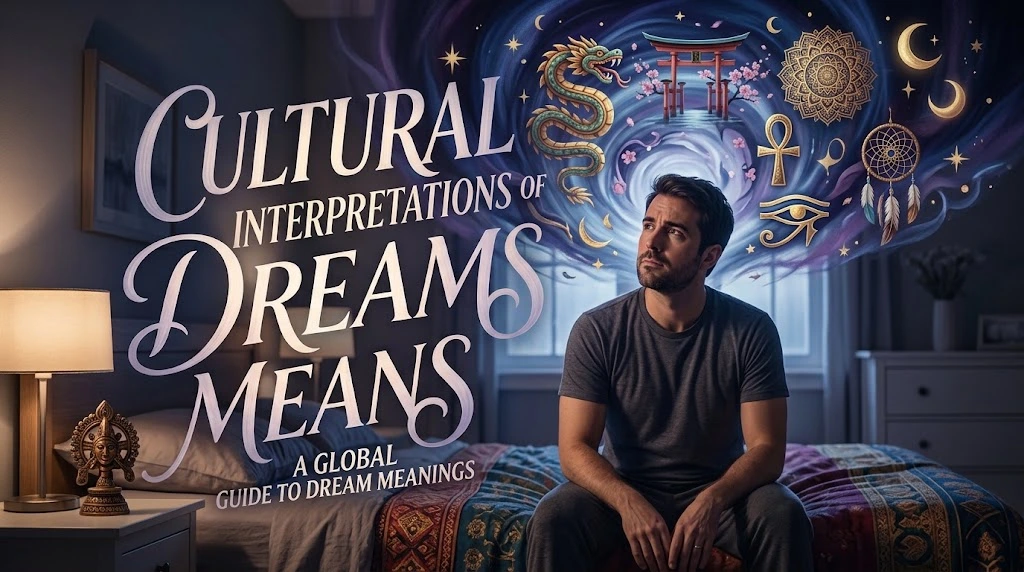
Across history, many cultures have treated dreams as meaningful experiences.
In some ancient traditions, dreams were viewed as messages from the spiritual world or as signs requiring interpretation. Other cultures considered dreams a way of communicating with ancestors, receiving wisdom, or understanding hidden concerns.
In Islamic traditions, dreams have also been discussed in different categories, and not every dream is considered a spiritual message. Some may be meaningful, while others can arise from ordinary thoughts and experiences.
Similarly, many Indigenous and traditional cultures have their own approaches to dreams, often connecting them with nature, community, ancestry, and spiritual awareness.
Because interpretations vary so widely, it is wise not to assume that one cultural interpretation applies to everyone. Your personal beliefs and circumstances matter.
Chakras and Emotional Blockages
The spiritual meaning of dreaming about “define dreamt” can also be explored through the concept of chakras.
In chakra-based spiritual traditions, different energy centers are associated with emotional and physical themes. Dreams may sometimes be viewed as reflections of emotional blockages.
Heart Chakra
If your dreams frequently involve love, loss, friendship, forgiveness, or emotional pain, you may wish to reflect on the heart chakra. The dream could encourage emotional healing and self-compassion.
Throat Chakra
Dreams involving speaking, shouting, silence, or being unable to communicate may symbolize difficulties expressing your feelings.
Third-Eye Chakra
The third-eye chakra is traditionally connected with intuition, awareness, and inner perception. Vivid or symbolic dreams may encourage you to pay closer attention to your intuition.
Crown Chakra
Dreams involving spiritual experiences, profound peace, light, or a sense of connection may inspire reflection on your spiritual beliefs and sense of purpose.
These interpretations are spiritual frameworks rather than scientific diagnoses. They can be useful for reflection without being treated as absolute facts.
What Your Emotions May Be Telling You
One of the best ways to understand a dream is to remember how you felt.
Did you wake up happy?
Were you frightened?
Did you feel peaceful?
Were you confused?
Did you feel that something important had happened?
The emotional atmosphere of a dream can sometimes be more revealing than the specific images.
For example, dreaming about an old friend may not necessarily mean you should reconnect with that person. Instead, the friend may represent a period of your life, a personality trait, or an emotion associated with that relationship.
Likewise, dreaming about an unfamiliar person may symbolize a part of yourself that you are beginning to discover.
Your emotions provide the context that turns a dream symbol into a personal message.
Real-Life Examples of Dream Experiences
Imagine someone named Sarah who has recently started a new career. She dreams repeatedly about walking through an unfamiliar building and searching for the correct room.
At first, the dream seems strange. But emotionally, Sarah feels anxious and excited during it. Looking at the dream symbolically, the building may represent her new life, while searching for the right room may represent her desire to find her place.
Another person, David, dreams about returning to his childhood home. He feels peaceful when he wakes up. The house may represent security, memories, or a desire to reconnect with a simpler period of his life.
Consider someone else who repeatedly dreams about standing at a crossroads. They are currently deciding whether to move to another city. The dream does not necessarily predict what they should do. Instead, it may reflect the uncertainty already present in their waking life.
These examples show why dream interpretation should be personal rather than automatic.
How to Reflect on a Dream Spiritually
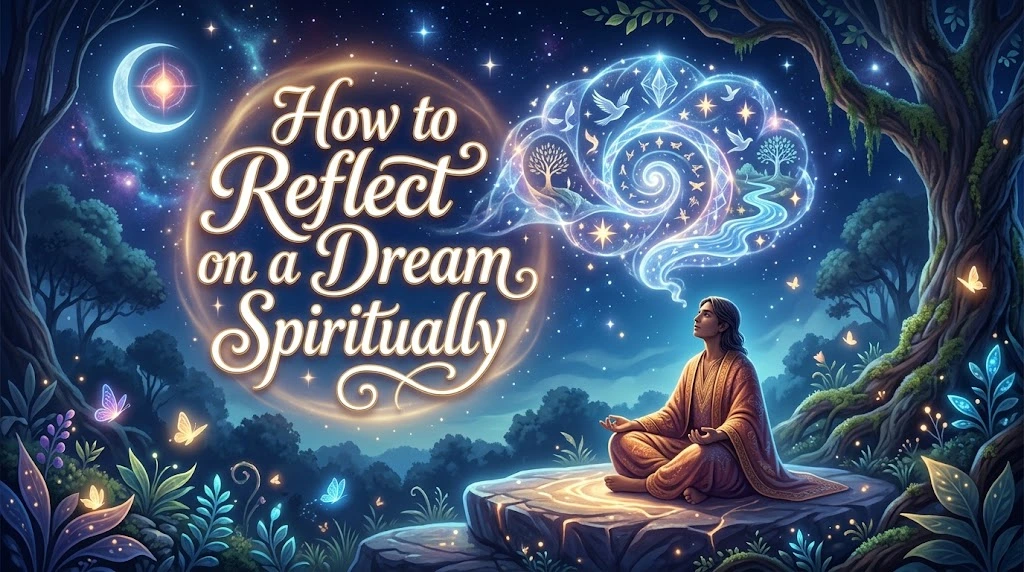
If you want to explore the spiritual meaning of dreaming about “define dreamt,” start with a simple dream journal.
Write down your dream immediately after waking. Include:
- What happened?
- Who appeared?
- Where were you?
- What emotions did you experience?
- What colors or objects stood out?
- Was anything repeated?
- What is happening in your waking life?
Then ask yourself what the dream reminds you of.
You do not need to force an interpretation. Sometimes understanding arrives gradually.
You can also spend a few quiet minutes in prayer, meditation, or reflection. The goal is not to predict the future but to become more aware of your inner life.
Frequently Asked Questions
1. What does “dreamt” mean?
“Dreamt” is the past tense and past participle of “dream.” It means that someone experienced a dream while sleeping.
2. What is the spiritual meaning of dreaming?
The spiritual meaning of dreaming can involve reflection, intuition, emotional processing, personal growth, or symbolic experiences. Its meaning depends on the dream and the dreamer’s circumstances.
3. Does every dream have a spiritual meaning?
No. Many dreams can result from memories, emotions, stress, imagination, or everyday experiences. It is better to reflect on a dream without assuming that every detail has a supernatural meaning.
4. Why do some dreams feel extremely real?
Vivid dreams can feel real because the brain can create detailed images, emotions, sounds, and experiences during sleep. Strong emotions can make the memory of a dream especially powerful after waking.
5. How can I understand my own dreams?
Keep a dream journal and record the dream, your emotions, important symbols, and current life circumstances. Looking for repeated themes can help you understand what your dreams may be reflecting.
Conclusion: Let Your Dreams Become Moments of Reflection
The spiritual meaning of dreaming about “define dreamt” is ultimately connected to awareness and understanding. A dream is not always a prediction, warning, or supernatural message. Sometimes it is simply your mind processing life. At other times, it can become a meaningful opportunity to reflect on your emotions, relationships, hopes, fears, and spiritual path.
Instead of asking only, “What does this dream predict?” try asking, “What is this dream helping me notice about myself?”
Your dreams may reveal emotions that you have overlooked during the day. They may bring forgotten memories to the surface or encourage you to consider a new direction.
Treat your dreams gently. Do not fear them or force them into a fixed interpretation. Record them, reflect on your feelings, and consider what is happening in your waking life.
Sometimes the deepest meaning of a dream is not hidden in the dream itself. It is found in the self-awareness it inspires after you wake.