Have you ever woken up from a dream with a smile on your face, wondering why you were laughing so happily? Imagine walking through a familiar place in your dream when suddenly, someone says something funny. You start laughing, and soon the laughter feels so real that you wake up smiling. But then a question comes to mind: what does laughing dream meaning reveal about your emotions or life?
Dreams about laughing can carry different meanings depending on how you felt during the dream. Sometimes, laughter reflects happiness, relief, confidence, or emotional healing. In other cases, laughing may hide stress, nervousness, embarrassment, or feelings that you do not express while awake. The person you were laughing with, the situation, and your emotions after waking can also provide important clues.
Exploring the laughing dream meaning can help you understand your inner feelings and discover what your subconscious may be trying to tell you.
- What Is the Dream Meaning of People Laughing at Me?
- What Does It Mean When People Laugh at You in a Dream?
- Why Do I Dream About People Making Fun of Me?
- What Does Being Laughed at in a Dream Symbolize?
- Is Dreaming of People Laughing at Me a Bad Sign?
- What Is the Spiritual Meaning of People Laughing at Me in a Dream?
- What Does It Mean to Dream That Strangers Are Laughing at You?
- Why Do I Dream That My Friends Are Laughing at Me?
- What Does It Mean When Family Members Laugh at You in a Dream?
- What Does It Mean to Dream About Being Mocked by Others?
- Why Do I Dream That Everyone Is Laughing at Me?
- What Does Being Humiliated in a Dream Mean Spiritually?
- Does Dreaming of People Laughing at Me Reflect Insecurity?
- What Does It Mean When Someone Laughs at You in a Dream?
- What Does It Mean to Dream About Public Embarrassment?
- Is There a Psychological Meaning Behind People Laughing at Me in Dreams?
- What Does It Mean to Feel Ashamed When People Laugh at You in a Dream?
- What Does Dreaming of Being Ridiculed Say About Your Emotions?
- Can People Laughing at You in a Dream Represent Fear of Judgment?
- What Should You Learn From a Dream About People Laughing at You?
Understanding the Spiritual Meaning of Laughing Dream Meaning
The laughing dream meaning is often associated with emotional energy. Laughter is one of humanity’s purest expressions. It releases stress, creates connection, and reflects the state of the heart. When laughter appears in dreams, it usually symbolizes something your soul wants you to notice.
Spiritually, laughing in dreams may represent:
- Emotional healing after a difficult period.
- Freedom from fear or guilt.
- A reminder to enjoy life more fully.
- Divine reassurance that difficult times will pass.
- Inner peace beginning to emerge.
- Spiritual awakening through joy.
- The release of old emotional burdens.
- Trust in the natural flow of life.
Sometimes the dream simply encourages you to stop taking every challenge so seriously. The universe often reminds us that joy itself is a spiritual practice.
Psychological Symbolism of Laughing in Dreams
From a psychological perspective, dreams reflect the subconscious mind processing emotions from daily life.
If you dream about laughing, your subconscious could be expressing:
Emotional Release
Perhaps you’ve been carrying stress for weeks. Dream laughter may be your mind’s way of releasing emotional pressure while you sleep.
Hidden Feelings
Sometimes people laugh to hide sadness in waking life. Dream laughter could reveal emotions you’ve been avoiding.
Confidence Growing
Laughing freely in dreams often reflects increasing self-confidence and acceptance.
Social Connection
If you’re laughing with friends, your subconscious may be reminding you of the importance of relationships and belonging.
Anxiety Masked by Humor
Not every laughing dream is positive. Forced or uncomfortable laughter may indicate emotional discomfort hidden beneath the surface.
The key is always the feeling you experienced during the dream. Were you genuinely happy, nervous, embarrassed, or afraid? Those emotions help determine the deeper meaning.
Spiritual Messages Behind Laughing Dreams
Spiritually, laughter carries high vibrational energy. Many traditions believe joy naturally raises your spiritual frequency.
Your dream may be delivering messages such as:
You Are Healing
If you’ve experienced heartbreak or emotional pain, laughing in dreams often signals that healing has quietly begun.
Let Go of Control
The dream may encourage trusting the universe rather than trying to control every outcome.
Celebrate Small Blessings
Perhaps you’ve become too focused on problems. Your spirit may be asking you to notice life’s simple joys.
Your Soul Feels Lighter
Dream laughter often appears when spiritual burdens are finally lifting.
Divine Protection
Some spiritual teachers believe joyful dreams indicate that positive spiritual energies surround you.
Different Laughing Dream Scenarios and Their Meanings
Every detail changes the interpretation.
Laughing Alone
This often represents personal freedom, inner contentment, and emotional independence.
Laughing with Friends
This symbolizes strong relationships, trust, happiness, and shared success.
Someone Laughing at You
Spiritually, this may reflect fear of judgment rather than actual criticism from others.
Loud Uncontrollable Laughter
This can indicate emotional release after long-term stress or hidden feelings finally surfacing.
Fake Laughing
May suggest pretending to be happy in waking life while hiding emotional struggles.
Child Laughing
Represents innocence, creativity, healing, and reconnecting with your authentic self.
Hearing Invisible Laughter
This mysterious dream sometimes symbolizes messages from your intuition or spiritual guides.
Laughing While Crying
This powerful combination suggests emotional transformation where pain begins turning into wisdom.
Cultural Interpretations of Laughing Dream Meaning
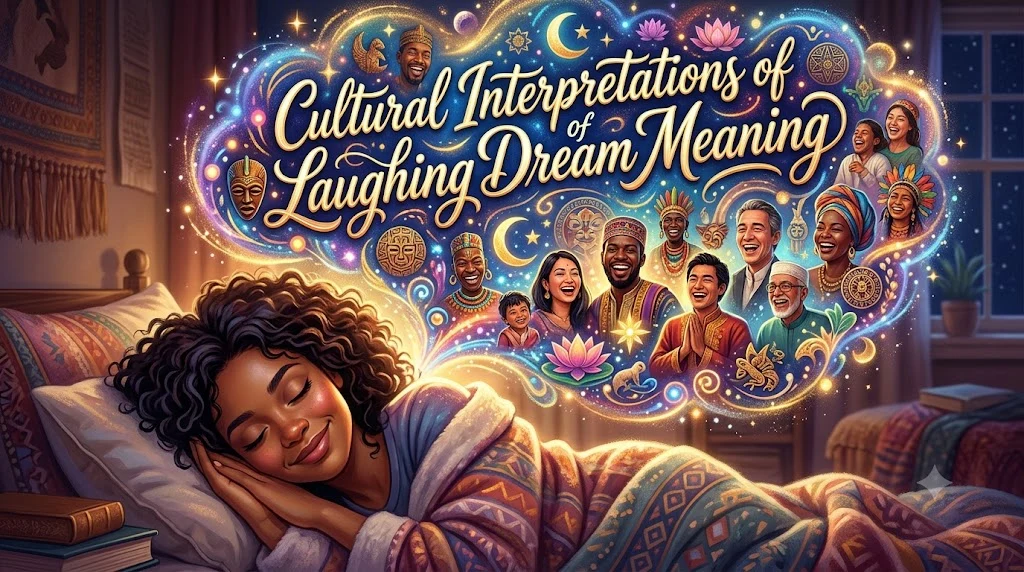
Dream symbolism differs across cultures, yet many traditions view laughter as spiritually meaningful.
Islamic Perspective
Although dream interpretation depends on personal context, laughter in dreams may sometimes represent relief after hardship or remind the dreamer to maintain humility and gratitude.
Native American Traditions
Laughter is often viewed as sacred medicine that restores balance between body, mind, and spirit.
Chinese Dream Beliefs
Joyful dreams frequently symbolize future blessings, prosperity, and positive relationships.
Hindu Spiritual Interpretation
Laughing dreams may indicate the release of karmic burdens and movement toward greater inner harmony.
African Spiritual Traditions
Communal laughter often represents ancestral support, celebration, and unity among families.
Western Dream Psychology
Modern dream analysts often interpret laughter as emotional processing and stress reduction.
Despite cultural differences, many traditions agree that joyful dreams often signal positive emotional movement.
Laughing Dreams and Chakra Connections
Dreams often reflect the energetic condition of your chakra system.
Heart Chakra
Healthy laughter usually indicates an opening Heart Chakra filled with love, forgiveness, and compassion.
Signs include:
- Feeling emotionally lighter
- Easier forgiveness
- Greater compassion
- Peaceful relationships
Solar Plexus Chakra
Confident laughter may show growing self-esteem and personal empowerment.
When balanced:
- Confidence increases.
- Self-worth improves.
- Fear decreases.
- Decision-making becomes easier.
Throat Chakra
Laughter represents authentic self-expression.
Blocked Throat Chakra signs include:
- Holding back emotions
- Fear of speaking honestly
- Suppressed creativity
Dream laughter may encourage expressing your true feelings.
Sacral Chakra
Since this chakra governs joy and creativity, laughing dreams often indicate renewed emotional energy.
Balanced Sacral Chakra brings:
- Creativity
- Healthy emotions
- Pleasure
- Inspiration
Emotional Blockages That Laughing Dreams May Reveal
Not every laughing dream reflects happiness.
Sometimes your subconscious reveals hidden emotional struggles.
Possible emotional blockages include:
Fear of Vulnerability
Using humor to avoid emotional intimacy.
Suppressed Sadness
Constant joking in waking life may hide deeper grief.
Social Anxiety
Dreams of being laughed at often mirror insecurity rather than reality.
Fear of Rejection
Your subconscious may still carry wounds from childhood experiences.
Perfectionism
Dream laughter sometimes reminds perfectionists to relax and embrace life’s imperfections.
Recognizing these emotional patterns allows healing to begin.
Positive Spiritual Signs Within Laughing Dreams
Many laughing dreams carry uplifting spiritual messages.
These include:
- Emotional freedom
- Higher vibration
- Increased gratitude
- Divine reassurance
- Renewed optimism
- Personal growth
- Forgiveness
- Spiritual awakening
- Inner peace
- Joy returning after hardship
The more peaceful the dream feels, the stronger these positive meanings often become.
Real-Life Examples of Laughing Dream Meaning
Example 1: Laughing After a Difficult Divorce
Sarah dreamed she was laughing with old friends around a campfire.
At first she felt confused because she was grieving her marriage.
Weeks later, she realized the dream had predicted emotional healing before she consciously noticed it.
Example 2: Being Laughed At
David repeatedly dreamed that strangers laughed whenever he entered a room.
Through reflection, he recognized his lifelong fear of judgment.
The dreams encouraged him to develop self-confidence rather than seek approval from others.
Example 3: Child’s Laughter
Maria dreamed of hearing children laughing while walking through a beautiful garden.
She later described feeling inspired to reconnect with hobbies she had abandoned years earlier.
The dream symbolized rediscovering joy and creativity.
Example 4: Laughing With a Deceased Grandmother
James dreamed his late grandmother laughed warmly beside him.
Rather than feeling frightened, he woke feeling peaceful.
Spiritually, many believe such dreams symbolize comfort, loving memories, or reassurance during challenging life transitions.
How to Reflect After a Laughing Dream
Dream interpretation becomes more meaningful through personal reflection.
Ask yourself:
- Was the laughter joyful or uncomfortable?
- Who was laughing?
- What emotions remained after waking?
- Am I suppressing feelings?
- Have I forgotten how to enjoy life?
- Is healing already happening within me?
- What area of life feels lighter recently?
Keeping a dream journal helps identify recurring emotional themes over time.
Meditation, prayer, gratitude practices, and mindful breathing can also deepen your understanding.
Frequently Asked Questions
1. Is laughing in a dream a good spiritual sign?
Usually yes. It often symbolizes emotional healing, inner joy, spiritual growth, and positive transformation. However, uncomfortable laughter may reveal unresolved emotions.
2. What does dreaming of someone laughing at me mean?
It commonly reflects fears of judgment, insecurity, or self-doubt rather than predicting actual embarrassment.
3. Can laughing dreams predict happiness?
Dreams don’t necessarily predict the future, but they often reveal emotional changes that can lead toward greater happiness.
4. Why do I wake up feeling happy after laughing in a dream?
Positive dream emotions sometimes continue after waking because your brain experienced genuine emotional release during sleep.
5. What should I do after having a laughing dream?
Reflect on your emotions, journal the dream, practice gratitude, and consider whether your subconscious is encouraging you to embrace more joy and authenticity.
Conclusion
The laughing dream meaning can be a beautiful reflection of your emotional world. In many cases, laughing in a dream represents happiness, relief, emotional freedom, or a desire to enjoy life more. It may suggest that your mind is releasing stress and reminding you to make space for positive experiences. However, not every laughing dream has a joyful message. If the laughter felt forced, strange, or uncomfortable, it could point to hidden anxiety, embarrassment, insecurity, or emotions that you may be avoiding.
The details of your dream matter. Think about who was laughing, why you were laughing, and how you felt after waking up. These small clues can help you understand the dream more personally. Your current experiences, relationships, and emotional state may also influence its meaning.
Ultimately, a laughing dream is not a prediction of the future. It is better understood as a window into your thoughts and feelings. Whether it brings joy or confusion, your dream may encourage you to understand yourself better, release emotional pressure, and welcome more genuine happiness into your waking life.