Introduction: Have You Ever Wondered, “Why Did I Dream That?”
Have you ever woken up from a dream that stayed with you long after sunrise? Maybe it felt so vivid that you kept replaying every detail, wondering if it carried a deeper message. Many people search for the dreamt meaning of a particular dream because they sense it is more than random images created by the sleeping mind. They feel there is a connection between the dream and something happening in their life.
Dreams have fascinated humanity for thousands of years. Ancient civilizations believed they were messages from the divine, while modern psychology sees them as reflections of emotions, memories, and subconscious thoughts. Spiritual traditions often suggest that dreams act as gentle guides, helping us recognize hidden fears, discover inner wisdom, and prepare for life’s next chapter.
The truth is that there is no single interpretation for every dream. Your personal experiences, emotions, beliefs, and current life circumstances all influence the dreamt meaning behind the symbols you see while sleeping. A dream about water, for example, might represent emotional healing for one person but uncertainty or change for another.
In this guide, we’ll explore dreams from both psychological and spiritual perspectives. You’ll discover how different cultures interpret dreams, how emotions and chakras may influence dream messages, and how to understand the personal symbolism hidden within your nighttime experiences. By the end, you’ll have practical tools to reflect on your own dreams with greater clarity, curiosity, and confidence.
What Does Dreamt Meaning Really Refer To?
The phrase dreamt meaning simply refers to the interpretation or significance of a dream. Rather than focusing only on what happened in the dream, it explores why the dream appeared and what message it may hold for your waking life.
Dreams often communicate through symbols instead of direct words. Your subconscious mind chooses images, people, places, and situations that represent emotions or experiences you may not fully recognize while awake.
Some common ideas behind dream meanings include:
- Dreams reflect your deepest emotions and hidden thoughts.
- Symbols often represent personal experiences rather than literal events.
- Repeating dreams usually point toward unresolved emotional issues.
- Positive dreams may encourage growth, hope, or confidence.
- Challenging dreams can highlight fears that need healing.
- Spiritual dreams may inspire personal transformation.
- Dreams sometimes reveal patterns in relationships or career choices.
- Emotional intensity often indicates an important message.
- Your current life situation shapes the meaning of dream symbols.
- Keeping a dream journal makes recurring themes easier to identify.
Instead of asking, “Will this dream come true?” a more helpful question is, “What is this dream trying to teach me about myself?”
The Psychology Behind Dreams and Their Hidden Messages
Modern psychology offers fascinating insights into why we dream. Rather than viewing dreams as predictions, psychologists often see them as conversations between the conscious and subconscious mind.
Throughout the day, your brain processes experiences, emotions, conversations, memories, and worries. During sleep, these pieces are organized, sometimes appearing as vivid stories that feel strange but emotionally meaningful.
Dreams can help you:
- Process stress after difficult situations.
- Understand emotions you have ignored.
- Practice solving real-life challenges.
- Organize memories.
- Explore hidden desires.
- Recognize personal fears.
- Build emotional resilience.
- Increase creativity.
- Develop self-awareness.
- Improve emotional balance.
Carl Jung believed dreams contained universal symbols called archetypes. These symbols appear across many cultures and often represent personal growth, wisdom, transformation, or life’s major transitions.
From this perspective, every dream becomes an opportunity for greater self-understanding rather than something to fear.
The Spiritual Meaning of Dreaming About Significant Symbols
Many spiritual traditions believe dreams are more than mental activity—they are opportunities for the soul to communicate.
Spiritually, dreams may appear during periods of change, healing, or awakening. They often encourage you to pause, reflect, and reconnect with your inner guidance.
A spiritual dream may symbolize:
- Personal transformation.
- Spiritual awakening.
- Emotional healing.
- Divine guidance.
- Protection.
- Forgiveness.
- Letting go of the past.
- Discovering hidden gifts.
- Preparing for new opportunities.
- Strengthening intuition.
Some people describe waking from certain dreams with an unusual sense of peace or clarity. Even if they cannot explain every symbol, they feel the dream carried emotional truth.
Rather than predicting the future, many spiritual teachers believe dreams illuminate your present path, helping you make wiser decisions and better understand your life’s direction.
Common Dream Symbols and Their Spiritual Interpretations
Although every dream is personal, some symbols appear frequently across cultures and spiritual traditions. Understanding these common themes can provide valuable clues when exploring your own dreamt meaning.
Water
Water often represents emotions, healing, purification, and spiritual renewal. Calm water may symbolize peace, while stormy water can reflect emotional turbulence.
Flying
Flying usually symbolizes freedom, confidence, spiritual growth, or rising above life’s challenges.
Falling
Falling dreams often relate to insecurity, loss of control, or fear of failure. Spiritually, they may encourage surrender and trust.
Light
Bright light frequently represents wisdom, divine guidance, hope, and spiritual awakening.
Darkness
Darkness does not always symbolize negativity. It can represent introspection, hidden potential, or personal transformation before new beginnings.
Animals
Different animals carry unique symbolic meanings:
- Birds represent freedom.
- Snakes symbolize transformation.
- Horses represent strength.
- Wolves reflect intuition.
- Butterflies symbolize rebirth.
- Owls represent wisdom.
- Fish symbolize abundance.
- Deer represent gentleness.
- Lions symbolize courage.
- Eagles represent higher vision.
Remember that your emotional response to each symbol is just as important as traditional interpretations. A snake may symbolize healing for one person and fear for another, depending on personal experiences.
Why Some Dreams Feel More Real Than Others
Have you ever awakened convinced a dream actually happened? Some dreams remain vivid for years because they leave a powerful emotional impression.
Several factors contribute to these unforgettable dreams:
- Intense emotions during sleep.
- Major life transitions.
- Spiritual reflection.
- Unresolved emotional experiences.
- Deep REM sleep.
- Recurring dream patterns.
- Strong subconscious processing.
- Significant personal relationships.
- Moments of grief or healing.
- Heightened intuition.
Spiritually, vivid dreams are sometimes viewed as invitations to pay closer attention to your inner world. They may not predict future events, but they often reveal emotional truths that deserve thoughtful reflection.
Instead of dismissing these dreams, consider writing them down. Over time, you may notice recurring themes that offer valuable insight into your emotional growth and spiritual journey.
How Different Cultures Interpret Dreamt Meaning
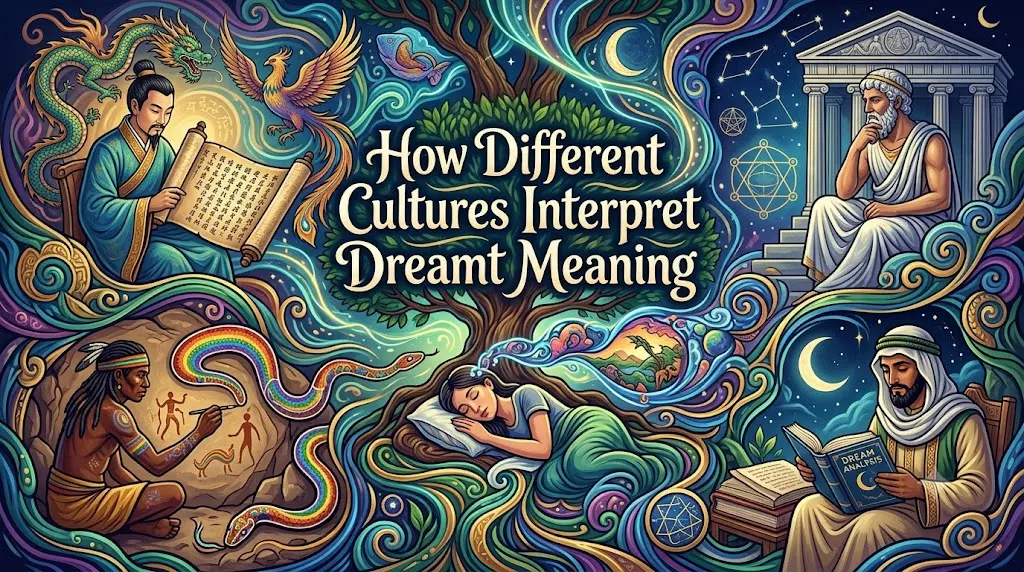
Dreams have fascinated people across the world for thousands of years. Although every culture has its own beliefs, many agree that dreams can reveal emotional truths, spiritual guidance, or hidden wisdom. Understanding these traditions can help you see your own dreamt meaning from a broader and more meaningful perspective.
Ancient Egyptian Beliefs
The ancient Egyptians viewed dreams as sacred messages from the gods. Priests often interpreted dreams to guide important decisions, heal illnesses, or prepare people for significant life events. Dream temples were places where individuals slept, hoping to receive divine guidance.
Islamic Perspective
In Islamic tradition, dreams are generally divided into three categories: truthful dreams from Allah, dreams influenced by daily thoughts, and disturbing dreams that should not be given importance. Many Muslims reflect carefully on positive dreams while seeking wisdom through prayer and patience rather than assuming every dream predicts the future.
Chinese Dream Philosophy
Traditional Chinese beliefs often connect dreams with the balance of life energy, known as Qi. Dreams may indicate emotional imbalance, health concerns, or changes in one’s spiritual journey. Harmony between mind, body, and spirit is considered essential for peaceful dreams.
Native American Traditions
Many Native American communities view dreams as opportunities to receive wisdom from ancestors, spirit guides, or nature. Animals, mountains, rivers, and the sky often carry symbolic messages that encourage personal growth and deeper respect for the natural world.
Hindu Spiritual View
In Hindu philosophy, dreams may reflect karma, spiritual evolution, or lessons carried across different stages of life. Some dreams encourage self-discovery, while others remind individuals to strengthen their relationship with the Divine.
Despite these differences, one common belief appears across cultures: dreams invite reflection rather than fear. They encourage people to understand themselves more deeply and make thoughtful choices in waking life.
The Connection Between Dreams and Your Chakras
Many spiritual teachers believe dreams reflect the condition of your energy centers, commonly known as chakras. When a chakra is balanced, dreams often feel peaceful and inspiring. When blocked, dreams may become confusing, repetitive, or emotionally intense.
Root Chakra
Dreams about survival, money, houses, earthquakes, or feeling unsafe may relate to the Root Chakra. These dreams encourage creating stability and security in daily life.
Sacral Chakra
Dreams involving water, relationships, creativity, pregnancy, or emotional intimacy may point toward the Sacral Chakra. They often highlight emotional healing and healthy self-expression.
Solar Plexus Chakra
Dreams about success, failure, competition, leadership, or personal confidence frequently connect with the Solar Plexus Chakra. These dreams invite you to trust your abilities.
Heart Chakra
Dreams featuring loved ones, forgiveness, compassion, flowers, or healing often reflect the Heart Chakra. They may encourage emotional openness and deeper connections.
Throat Chakra
Dreams where you cannot speak, lose your voice, or struggle to communicate may suggest imbalance in the Throat Chakra. These dreams encourage honest communication.
Third Eye Chakra
Dreams filled with vivid colors, symbols, visions, intuition, or mysterious guides often relate to the Third Eye Chakra. They invite greater spiritual awareness and trust in your intuition.
Crown Chakra
Dreams involving bright light, angels, peaceful landscapes, or divine encounters may indicate spiritual growth connected with the Crown Chakra.
Instead of fearing unusual dreams, consider whether they gently reveal areas of emotional or spiritual healing that deserve your attention.
Emotional Blockages That Often Appear in Dreams
Our subconscious mind has an incredible ability to reveal emotions we may ignore during our busy daily lives. Dreams frequently become mirrors, reflecting feelings that need acknowledgment and healing.
Common emotional blockages shown in dreams include:
- Fear of change.
- Unresolved grief.
- Childhood memories.
- Relationship anxiety.
- Guilt or regret.
- Low self-esteem.
- Stress from work or family.
- Fear of failure.
- Difficulty trusting others.
- Suppressed anger.
For example, dreaming about being trapped may symbolize feeling emotionally stuck in waking life. Dreaming of endless running without reaching your destination may reflect frustration or pressure to achieve impossible expectations.
Rather than treating these dreams as bad omens, they can be viewed as invitations to heal emotional wounds with patience and self-compassion.
Why Do Recurring Dreams Keep Coming Back?
One of the most common questions people ask about dreamt meaning is why the same dream repeats over weeks, months, or even years.
Recurring dreams usually appear because your subconscious believes an important lesson remains unresolved.
These dreams may continue until you:
- Face an avoided fear.
- Resolve emotional conflict.
- Forgive yourself or someone else.
- Make an important life decision.
- Accept necessary change.
- Improve unhealthy habits.
- Heal from past trauma.
- Build stronger confidence.
- Set healthier boundaries.
- Find inner peace.
For instance, repeatedly dreaming about missing an exam may symbolize ongoing anxiety about meeting expectations rather than predicting an actual failure.
Pay attention to recurring emotions more than recurring objects. The feelings within the dream often reveal its deepest meaning.
Dreams During Spiritual Awakening
Many people notice unusual dreams during periods of spiritual growth. As your beliefs, emotions, and awareness evolve, your subconscious mind often communicates through powerful dream experiences.
Signs your dreams may be connected with spiritual awakening include:
- Exceptionally vivid dreams.
- Increased dream recall.
- Symbolic animals appearing repeatedly.
- Meeting wise teachers or guides.
- Visiting peaceful natural landscapes.
- Dreams involving light or sacred places.
- Feeling profound peace after waking.
- Receiving inspirational ideas.
- Letting go of old fears.
- Feeling emotionally renewed.
During spiritual awakening, dreams often encourage trust rather than certainty. Instead of providing every answer, they gently point toward deeper self-awareness and inner transformation.
Keeping a journal beside your bed can help you recognize meaningful patterns over time. Even dreams that seem mysterious today may become clear as your life unfolds.
How to Interpret Your Own Dreamt Meaning Accurately
Understanding your own dreamt meaning is less about finding a universal answer and more about discovering how the dream connects with your personal life. Two people can experience the same dream yet walk away with completely different meanings because their emotions, memories, and life circumstances are unique.
When interpreting your dreams, begin by asking yourself simple questions:
- What emotions did I feel during the dream?
- Which symbol stood out the most?
- Does this remind me of a current situation?
- Have I had this dream before?
- Did I wake up feeling peaceful, anxious, hopeful, or confused?
Rather than focusing only on the events in the dream, pay attention to the emotions they created. Your subconscious often communicates through feelings more than facts.
Helpful habits for dream interpretation include:
- Write dreams down immediately after waking.
- Notice repeating people or places.
- Compare dreams with current life events.
- Avoid rushing to negative conclusions.
- Stay open to multiple interpretations.
- Reflect through meditation or prayer.
- Trust your personal intuition.
- Look for patterns over time.
- Separate literal events from symbolism.
- Be patient with the process.
Dream interpretation becomes more meaningful when viewed as a journey of self-discovery rather than a search for fixed predictions.
Signs a Dream May Carry Spiritual Significance
Not every dream has a profound spiritual message, but some experiences leave a lasting impression that feels impossible to ignore.
You may be experiencing a spiritually meaningful dream if:
- The dream feels exceptionally vivid.
- You remember every detail for days.
- The same symbol appears repeatedly.
- You wake with deep peace or clarity.
- The dream inspires positive life changes.
- You receive guidance that feels wise.
- You encounter symbolic light or sacred places.
- The dream encourages forgiveness or healing.
- Strong intuition follows after waking.
- The emotional impact remains long after the dream ends.
These dreams often arrive during important life transitions, encouraging you to trust your inner wisdom and move forward with confidence.
Common Mistakes People Make When Interpreting Dreams
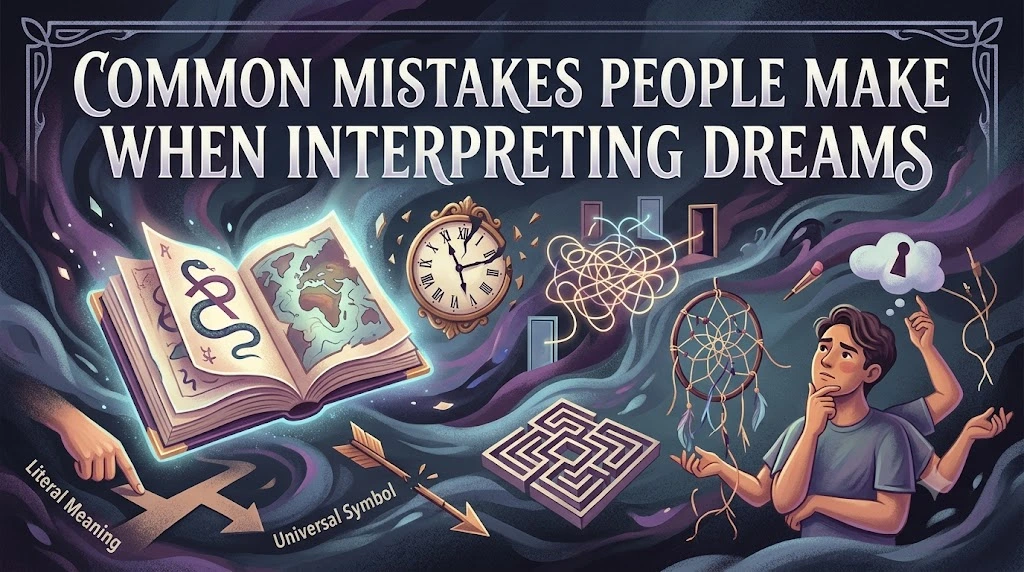
Many people become anxious because they assume every dream predicts future events. In reality, most dreams are symbolic rather than literal.
Avoid these common mistakes:
Taking Every Symbol Literally
A dream about death often symbolizes transformation or endings—not physical death.
Ignoring Personal Context
Your experiences shape dream meanings more than generic dream dictionaries.
Assuming Every Dream Is a Warning
Many dreams simply help process emotions or encourage personal growth.
Forgetting Emotions
The feelings inside the dream usually matter more than the objects you see.
Expecting One Universal Meaning
Dreams are deeply personal. The same symbol can carry different meanings for different people.
Approaching dreams with curiosity instead of fear creates a healthier and more accurate understanding of your subconscious mind.
Keeping a Dream Journal for Better Self-Understanding
One of the easiest ways to discover your personal dreamt meaning is by maintaining a dream journal.
Even writing a few sentences every morning can reveal surprising patterns over time.
Include details such as:
- Date of the dream.
- Main symbols.
- People involved.
- Locations.
- Colors.
- Strong emotions.
- Weather.
- Conversations.
- Events happening in your waking life.
- Personal reflections.
After several weeks, recurring themes often become much easier to recognize.
You may notice that dreams appear before major life changes, during stressful periods, or while making important decisions. This awareness helps strengthen both emotional intelligence and spiritual reflection.
Trust Your Inner Wisdom Above All Else
Books, websites, and dream dictionaries can provide useful ideas, but your own intuition remains your greatest guide.
Your subconscious speaks through symbols that are meaningful to you personally.
For example:
- A beach may symbolize freedom for one person.
- Another may associate it with childhood memories.
- Someone else may connect it with grief or healing.
The same symbol can carry completely different meanings depending on your life story.
As you become more aware of your emotions and spiritual journey, interpreting dreams becomes less confusing and far more rewarding.
Instead of searching for certainty, allow dreams to become gentle companions that encourage growth, reflection, healing, and hope.
Frequently Asked Questions
What is the dreamt meaning of a vivid dream?
A vivid dream often reflects strong emotions, significant life experiences, or important subconscious messages. Spiritually, it may encourage greater self-awareness or emotional healing rather than predict future events.
Can dreams predict the future?
Most psychologists and spiritual teachers believe dreams primarily reflect emotions, experiences, and personal growth. While some people feel certain dreams seem meaningful or intuitive, dreams should generally be viewed as opportunities for reflection instead of guaranteed predictions.
Why do I keep having the same dream?
Recurring dreams usually suggest that your subconscious is trying to help you recognize an unresolved emotion, fear, relationship issue, or important life lesson that still needs attention.
Are nightmares spiritually meaningful?
Nightmares often reflect stress, anxiety, fear, or emotional healing. Spiritually, they may encourage you to face hidden emotions, release old pain, and develop greater inner strength.
How can I remember my dreams more clearly?
Keep a notebook beside your bed and write down everything you remember immediately after waking. Limiting distractions, getting enough sleep, and practicing mindfulness can also improve dream recall.
Conclusion
Understanding your dreamt meaning is not about finding a perfect interpretation for every symbol—it is about learning to listen to your inner world with patience, curiosity, and compassion. Dreams often weave together your emotions, memories, spiritual beliefs, and subconscious thoughts into stories that encourage personal growth rather than fear.
Whether your dreams feel peaceful, mysterious, joyful, or even unsettling, they can become valuable opportunities for self-reflection. Many spiritual traditions view dreams as gentle reminders to trust your intuition, while psychology sees them as natural ways of processing life’s experiences. Both perspectives invite you to explore your dreams with an open mind instead of searching for absolute certainty.
As you continue keeping a dream journal, reflecting on recurring symbols, and paying attention to your emotions, you’ll likely notice that your dreams become easier to understand. Over time, they may reveal patterns that inspire healing, strengthen your confidence, and guide you toward a more balanced and meaningful life.
The next time you wake from a memorable dream, pause before dismissing it. It may not be predicting your future, but it could be offering valuable insight into your present, helping you better understand yourself and the path that lies ahead.