Dreams have fascinated people for thousands of years. Some dreams leave us feeling peaceful and inspired, while others make us wake up confused, anxious, or curious. Have you ever wondered why you dream about flying, falling, being chased, losing your teeth, or meeting someone you haven’t seen in years? Could these dreams carry a deeper spiritual message, or are they simply reflections of your daily thoughts?
The truth is that dreams can serve many purposes. From a psychological perspective, they help the mind process emotions, memories, and experiences. From a spiritual viewpoint, dreams are often seen as messages from your higher self, the universe, or your subconscious, gently guiding you toward personal growth and emotional healing.
Understanding the spiritual meaning of dreaming about types of dreams can help you recognize patterns in your life, uncover hidden emotions, and gain valuable insight into your relationships, career, and spiritual path. Instead of dismissing dreams as random events, many people choose to see them as meaningful experiences that encourage self-awareness and transformation.
In this guide, we’ll explore the symbolism behind different kinds of dreams, examine their psychological and spiritual meanings, discover how cultures around the world interpret them, and learn how dreams may relate to your chakras and emotional energy. Whether your dreams are joyful, mysterious, or unsettling, they may have something important to teach you.
What Are Different Types of Dreams?
Not all dreams are the same. Some feel incredibly realistic, while others seem symbolic or completely surreal. Understanding the different categories of dreams is the first step toward interpreting their deeper meanings.
Common types of dreams include:
- Ordinary everyday dreams
- Recurring dreams
- Nightmares
- Lucid dreams
- Prophetic or intuitive dreams
- Spiritual visitation dreams
- Healing dreams
- Symbolic dreams
- False awakening dreams
- Astral projection experiences
- Childhood memory dreams
- Emotional processing dreams
- Wish-fulfillment dreams
- Problem-solving dreams
- Shared or mutual dreams
Each type of dream offers a unique perspective on your emotional, mental, and spiritual state. Some encourage healing, while others highlight fears or opportunities for growth.
Why Do We Dream? Psychology Meets Spirituality
Dream interpretation becomes even more meaningful when we combine modern psychology with ancient spiritual wisdom.
The Psychological Perspective
Psychologists believe dreams help organize memories and process emotions. During sleep, your brain sorts through experiences, unresolved feelings, and personal challenges. Dreams often symbolize concerns rather than showing them literally.
For example:
- Dreaming about an exam may reflect pressure or self-doubt.
- Dreaming about losing your wallet could symbolize insecurity rather than financial loss.
- Dreaming of running may represent avoiding responsibilities.
Psychological dream analysis focuses on understanding emotions hidden beneath dream symbols.
The Spiritual Perspective
Spiritually, dreams are often considered messages from higher consciousness.
Many spiritual traditions believe dreams can:
- Reveal your soul’s lessons
- Encourage healing
- Offer guidance during life changes
- Strengthen intuition
- Connect you with spiritual energy
- Reveal emotional blockages
- Prepare you for future opportunities
Instead of predicting exact events, spiritual dreams often encourage reflection and personal growth.
Why Certain Dreams Keep Repeating
Recurring dreams deserve special attention because they often indicate unresolved emotional or spiritual issues.
Examples include:
- Being chased
- Falling
- Missing an important event
- Losing teeth
- Returning to school
- Getting lost
- Being unable to speak
Spiritually, recurring dreams suggest that your inner self continues sending the same lesson until it is acknowledged.
Ask yourself:
- What emotion appears every time?
- What situation in my life feels similar?
- What am I avoiding?
- What lesson have I not learned?
Once emotional healing begins, recurring dreams often disappear naturally.
Spiritual Meaning of Common Types of Dreams
Many dream themes appear across cultures because they reflect universal human experiences.
Flying Dreams
Flying often symbolizes:
- Personal freedom
- Spiritual awakening
- Rising above difficulties
- Expanded awareness
- Confidence
If the flight feels joyful, it usually reflects emotional liberation.
If flying feels frightening, it may suggest fear of change or uncertainty about new responsibilities.
Falling Dreams
Falling often represents:
- Feeling unsupported
- Losing control
- Fear of failure
- Emotional instability
- Major life transitions
Spiritually, falling dreams encourage grounding and trusting life’s process instead of resisting change.
Being Chased
Being chased rarely represents actual danger.
Instead, it may symbolize:
- Avoided emotions
- Unfinished responsibilities
- Fear of confrontation
- Anxiety
- Inner conflict
Spiritually, the dream invites you to face what you’ve been avoiding.
The Spiritual Meaning of Nightmares
Nightmares are often misunderstood. While frightening, they can become powerful opportunities for healing.
Common nightmare themes include:
- Darkness
- Monsters
- Death
- Accidents
- Being trapped
- Losing loved ones
Spiritually, nightmares may represent:
- Emotional wounds
- Suppressed trauma
- Fear-based thinking
- Spiritual imbalance
- Deep transformation
Rather than predicting negative events, nightmares often encourage emotional release and inner healing.
Many people notice that recurring nightmares stop once they begin addressing long-held fears or unresolved emotions.
Lucid Dreams and Spiritual Awakening
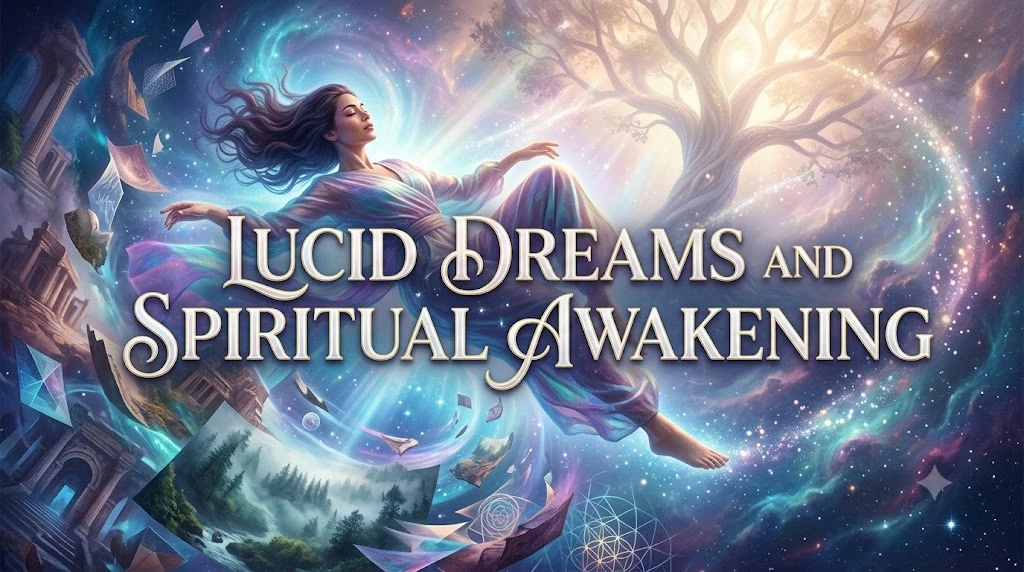
Lucid dreaming occurs when you become aware that you’re dreaming while still asleep.
Some people even learn to:
- Control dream environments
- Ask dream characters questions
- Explore symbolic locations
- Face fears consciously
- Practice meditation inside dreams
Many spiritual traditions believe lucid dreams can strengthen self-awareness because they teach us that consciousness exists beyond ordinary waking life.
People often describe lucid dreams as deeply peaceful, insightful, and emotionally healing.
How Dreams Reflect Your Emotional Energy
Dreams rarely focus only on external events. More often, they reveal your internal emotional landscape.
For example:
Dream SymbolPossible Emotional MeaningStormsEmotional overwhelmSunshineInner peaceBroken bridgeRelationship difficultiesLocked doorMissed opportunitiesOcean wavesPowerful emotionsEmpty houseLoneliness or self-discoveryForestPersonal growth and mysteryFirePassion or transformation
The emotional tone of the dream usually matters more than the symbol itself.
A calm ocean and a violent ocean may carry completely different meanings even though both involve water.
How Different Cultures Interpret Dreams
Dreams have inspired people across civilizations for thousands of years. Although interpretations vary, many cultures believe dreams are more than random images—they are meaningful messages that connect the dreamer to wisdom beyond ordinary consciousness.
Ancient Egyptian Beliefs
The ancient Egyptians considered dreams sacred. Priests often interpreted dreams for kings and ordinary people alike, believing they were messages from the gods.
Common beliefs included:
- Dreams could predict future events.
- Divine beings offered protection and guidance through dreams.
- Symbols held spiritual significance.
- Certain temples were dedicated to dream healing.
Ancient Greek Perspective
In ancient Greece, dreams were viewed as a bridge between humans and the divine. People sometimes slept in healing temples, hoping to receive dreams that revealed cures or important guidance.
Greek philosophers also believed dreams reflected the soul’s deepest desires and concerns.
Native American Traditions
Many Native American tribes regard dreams as an essential part of spiritual life.
Dreams may:
- Connect a person with spirit guides.
- Reveal life’s purpose.
- Offer healing messages.
- Provide protection during difficult times.
Animals appearing in dreams are often viewed as powerful spiritual teachers.
Chinese Dream Philosophy
Traditional Chinese beliefs connect dreams with the flow of life energy, or Qi.
Dreams may indicate:
- Physical imbalance.
- Emotional stress.
- Spiritual growth.
- Changes in fortune.
Harmony between body, mind, and spirit is considered essential for peaceful dreaming.
Islamic Perspective on Dreams
In Islamic tradition, dreams are generally understood in three categories:
- True dreams, which may bring guidance or glad tidings.
- Dreams influenced by one’s own thoughts and daily experiences.
- Disturbing dreams, which are not considered messages to follow.
Many scholars encourage reflecting on beneficial dreams while avoiding fear from disturbing ones. Rather than relying solely on dreams for major life decisions, believers are encouraged to seek wisdom through prayer, knowledge, and consultation.
Across all these traditions, one idea remains remarkably consistent: dreams often encourage self-reflection, spiritual awareness, and personal growth.
Dreams and Chakra Connections
Many spiritual practitioners believe dreams reveal the condition of our energy centers, known as chakras. When a chakra becomes blocked or unbalanced, the subconscious mind may express this through symbolic dreams.
Root Chakra (Security)
Signs in dreams:
- Falling
- Earthquakes
- Losing your home
- Being lost
- Financial worries
Possible meaning:
You may be seeking stability, safety, or a stronger foundation in life.
Sacral Chakra (Emotions)
Dream themes:
- Water
- Relationships
- Romance
- Creativity
- Children
Possible meaning:
Your emotional world may be asking for healing, forgiveness, or joyful expression.
Solar Plexus Chakra (Confidence)
Dream symbols:
- Exams
- Competitions
- Public speaking
- Climbing mountains
Possible meaning:
You may be working through issues related to confidence, personal power, or self-worth.
Heart Chakra (Love)
Common dreams include:
- Family
- Pets
- Gardens
- Green landscapes
- Reconciliation
Possible meaning:
These dreams often encourage compassion, forgiveness, and emotional openness.
Throat Chakra (Communication)
Dream examples:
- Losing your voice
- Unable to speak
- Singing
- Giving speeches
Possible meaning:
Your subconscious may be encouraging honest communication and authentic self-expression.
Third Eye Chakra (Intuition)
Dream signs:
- Bright lights
- Sacred symbols
- Ancient temples
- Wise teachers
- Spiritual guides
Possible meaning:
Your intuition is becoming stronger, and you may be receiving inner guidance.
Crown Chakra (Spiritual Connection)
Dream experiences:
- Floating
- White light
- Angels
- Peaceful skies
- Divine presence
Possible meaning:
These dreams often symbolize spiritual awakening, inner peace, and a deeper connection with the universe.
Real-Life Dream Experiences and Their Spiritual Lessons
Dreams become even more meaningful when viewed through real-life situations. While every person’s experience is unique, many dream themes carry similar emotional and spiritual lessons.
Example 1: Dream of Flying
Sarah repeatedly dreamed of flying above mountains during a difficult career transition.
At first, she assumed the dream was random. Later, she realized the dream appeared whenever she doubted herself.
Spiritually, flying represented freedom from fear and trust in her abilities.
After accepting a new opportunity, the dream gradually faded.
Lesson: Sometimes dreams encourage us to rise above self-imposed limitations.
Example 2: Dream of Being Chased
Michael frequently dreamed of running from an unknown figure.
After reflecting on the dream, he recognized he had been avoiding an important family conversation.
Once he addressed the conflict honestly, the chasing dreams stopped.
Lesson: The dream wasn’t about danger—it was about emotional avoidance.
Example 3: Dream of Water
Emma dreamed of standing beside a calm blue lake after months of emotional stress.
Instead of fear, she felt overwhelming peace.
Spiritually, the water reflected emotional healing and acceptance.
Soon afterward, she began practicing meditation and noticed greater emotional balance.
Lesson: Calm water often symbolizes inner harmony returning.
Example 4: Dream of Losing Teeth
David repeatedly dreamed that his teeth were falling out before important presentations.
Psychologically, the dream reflected anxiety and fear of judgment.
Spiritually, it encouraged him to develop confidence instead of seeking constant approval from others.
As his confidence grew, the dream became less frequent.
Lesson: Dreams often mirror our deepest insecurities while pointing toward personal growth.
Example 5: Dream of Meeting a Deceased Loved One
Maria dreamed that her late grandmother smiled, hugged her, and simply said, “Everything will be okay.”
Whether viewed spiritually or psychologically, the dream brought immense comfort.
Instead of focusing on proving its origin, Maria embraced the peace it provided.
Lesson: Some dreams help us heal emotionally, regardless of how we interpret them.
How to Interpret Your Own Dreams
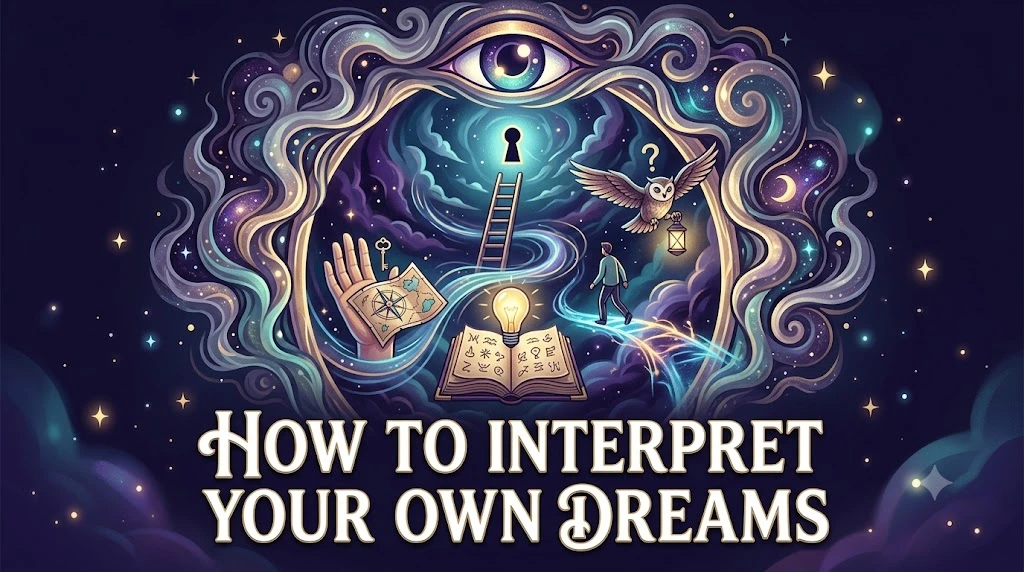
No dream dictionary can fully explain your personal dream because symbols often carry unique meanings based on your life experiences.
To better understand your dreams, ask yourself:
- What emotions did I feel during the dream?
- Which symbols stood out the most?
- Does the dream relate to something happening in my life right now?
- Have I had this dream before?
- What lesson or message might my subconscious be showing me?
- Did I wake up feeling peaceful, anxious, inspired, or confused?
- What changes am I currently experiencing?
Keeping a dream journal can help you notice recurring themes and patterns over time. Even writing a few sentences each morning can reveal valuable insights about your emotional and spiritual journey.
Dream interpretation is less about finding one “correct” answer and more about understanding what your inner world is trying to communicate.
Frequently Asked Questions (FAQs)
1. What is the spiritual meaning of dreaming about different types of dreams?
The spiritual meaning of dreaming about different types of dreams depends on the emotions, symbols, and experiences within the dream. Spiritually, dreams are often believed to be messages from your higher self, subconscious mind, or divine guidance. A flying dream may symbolize freedom, while a recurring dream could indicate an unresolved life lesson. Rather than predicting the future, dreams often encourage self-awareness, emotional healing, and spiritual growth.
2. Are recurring dreams a sign of a spiritual message?
Recurring dreams are commonly seen as meaningful because they often repeat until an important lesson is understood. Psychologically, they may reflect unresolved emotions or ongoing stress. Spiritually, they can indicate that your soul is trying to draw your attention to a specific issue, relationship, or life path. Paying attention to the emotions and symbols in recurring dreams can help uncover their deeper meaning.
3. Can nightmares have a positive spiritual meaning?
Yes. Although nightmares can feel frightening, they often carry valuable messages. Spiritually, nightmares may reveal hidden fears, emotional wounds, or limiting beliefs that need healing. Instead of viewing them as bad omens, many people see nightmares as opportunities for transformation. Facing these emotions in waking life can reduce the frequency of disturbing dreams and promote inner peace.
4. How do chakras relate to dreams?
Many spiritual traditions believe dreams reflect the condition of your energy centers, or chakras. For example:
- Root Chakra dreams may involve safety, survival, or stability.
- Heart Chakra dreams often focus on love, forgiveness, and relationships.
- Third Eye Chakra dreams may include visions, symbols, or heightened intuition.
- Crown Chakra dreams can feature divine light, spiritual beings, or profound peace.
While chakra interpretations are symbolic rather than scientific, they can offer another perspective for understanding your dreams and emotional well-being.
5. How can I remember and interpret my dreams more clearly?
A simple way to improve dream recall is to keep a journal beside your bed. As soon as you wake up, write down everything you remember, including emotions, people, colors, places, and symbols. Over time, you may notice recurring themes and patterns. When interpreting your dreams, focus on how the dream made you feel and how it connects to your current life experiences instead of relying only on general dream dictionaries.
Conclusion
Dreams are among the most mysterious and meaningful experiences of human life. Whether you see them through the lens of psychology, spirituality, or cultural tradition, they often reveal emotions, hopes, fears, and opportunities for personal growth. The spiritual meaning of dreaming about types of dreams is not about finding one universal interpretation but about discovering what your subconscious and inner wisdom may be trying to communicate.
Every dream is unique because every dreamer is unique. A symbol that represents change for one person may represent healing or transformation for another. By paying attention to recurring themes, emotional responses, and significant symbols, you can develop a deeper understanding of yourself and your life’s journey.
Rather than fearing unusual or emotional dreams, approach them with curiosity and compassion. Keep a dream journal, reflect on the lessons each dream may hold, and trust your intuition as you explore their meanings. Over time, your dreams can become valuable companions, offering gentle guidance, emotional clarity, and spiritual encouragement.
Remember, the most meaningful dream interpretation is the one that resonates with your own heart, inspires positive change, and helps you move forward with greater wisdom, balance, and inner peace.